
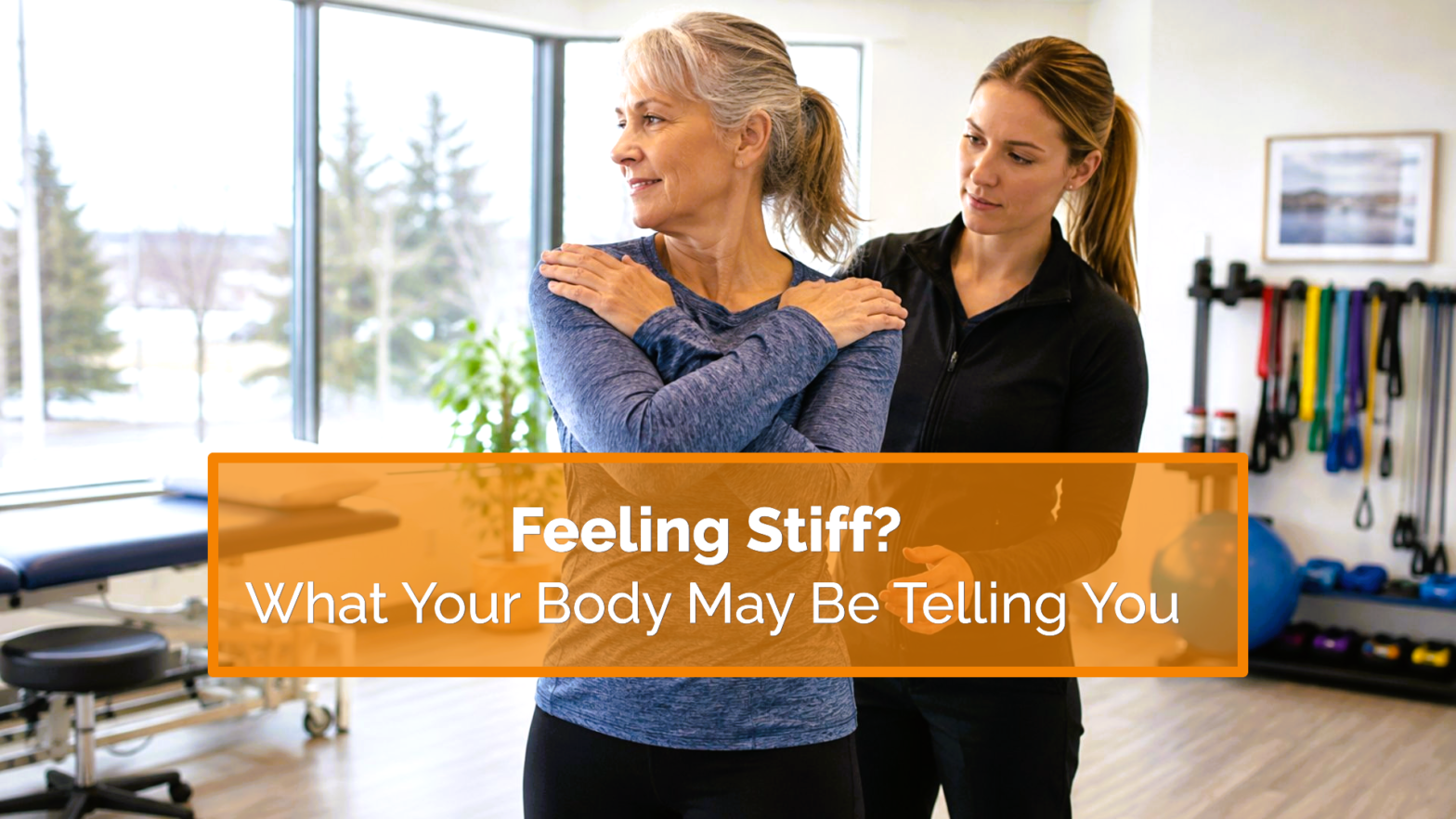
Feeling Stiff? What Your Body May Be Telling You...
Key Highlights: Feeling stiff despite staying active can result from…
Read More
Posted by Dr. Scott Wilson | 25-Mar-2016
Every spring, we see a number of people suffering from injuries associated with getting back to being active. The main reason for this is that most people are relatively inactive during the winter which allows their quads, hamstrings and hips to get tighter and their core and other key muscles get weaker. Because of this tightness and relative weakness, when they return to playing or participating in sports, their body isn’t prepared to support the sudden and significant stress, strain and extension required by these activities. The net result is often sprains, strains or even tears; particularly in the ankles, hamstrings and the groin.
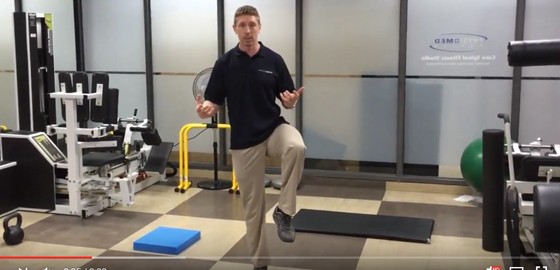
In the following video, Dr. Jason Lemieux of Physiomed Oakville demonstrates specific tests to determine if your body is ready for an immediate return to spring activity; along with things you can do to get ready so that you can avoid the most common spring injuries:
Key Highlights: Feeling stiff despite staying active can result from…
Read More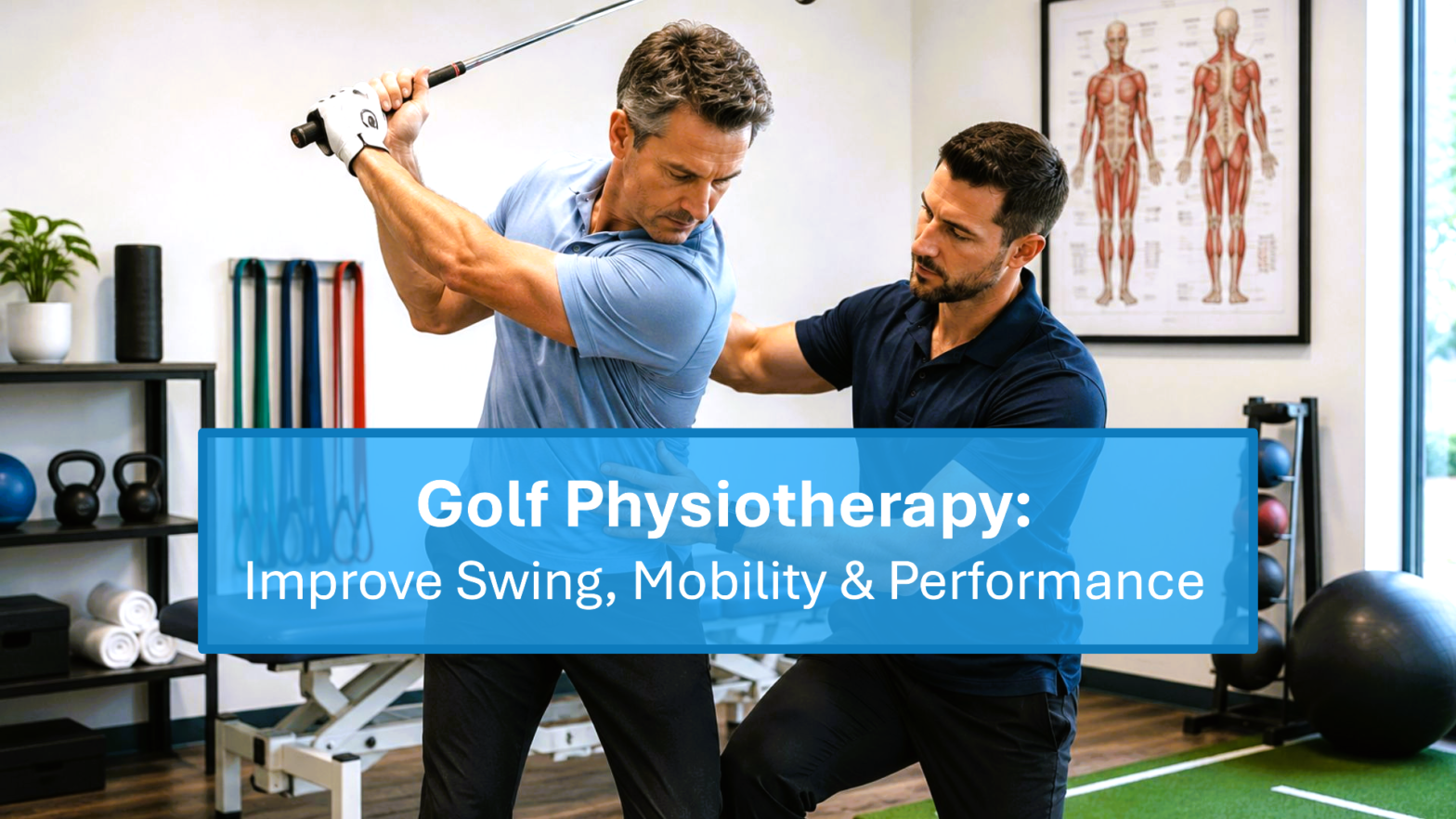
Key Highlights: Golf physiotherapy can help improve swing consistency, mobility,…
Read More
Key Highlights: Physiotherapy can help manage chronic conditions by improving…
Read More
Key Highlights: Sports conditioning helps recreational athletes improve performance and…
Read More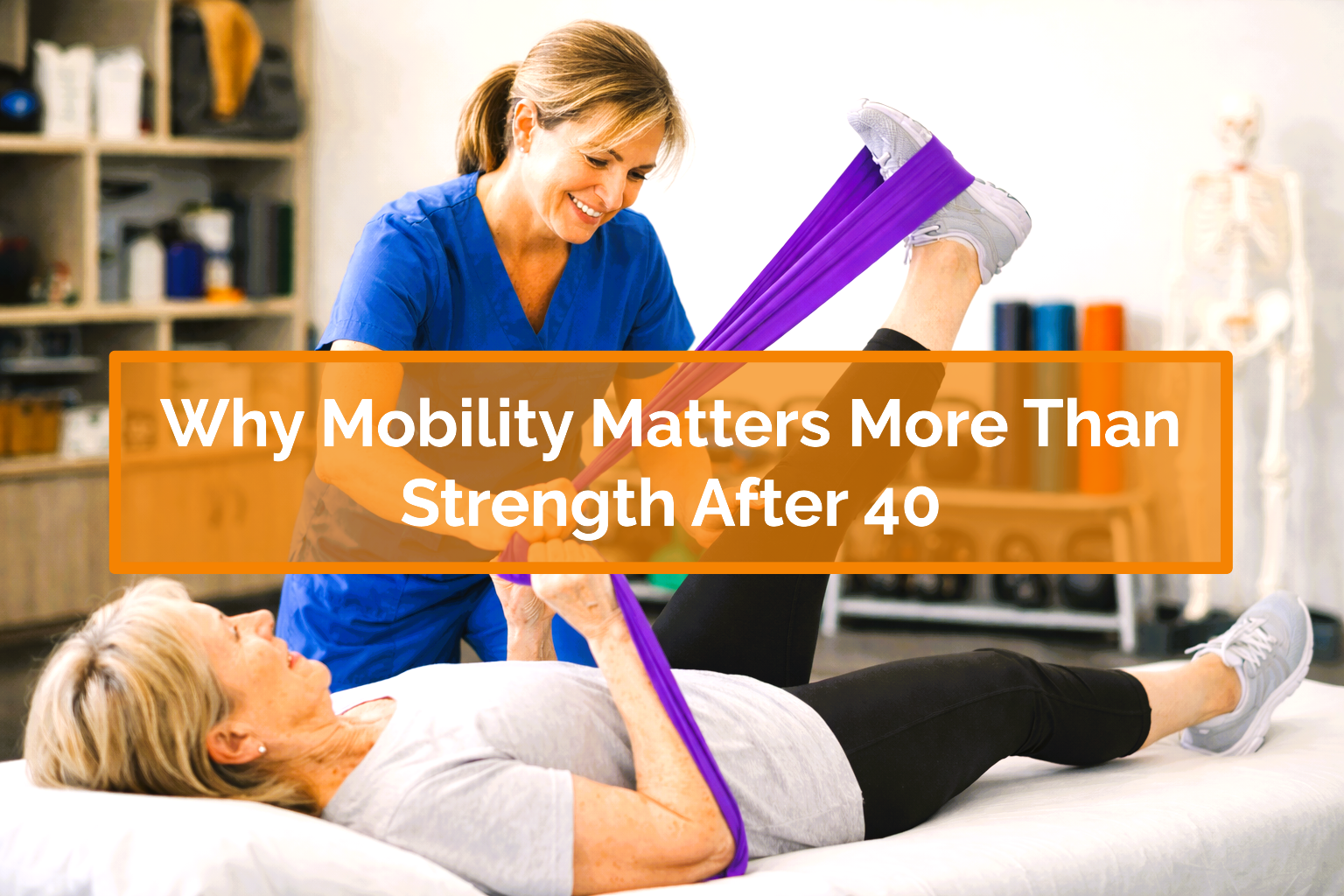
Key Highlights: Mobility lets your joints move freely and safely…
Read More
Key Highlights: When to seek care often depends on persistent…
Read More