Sports Conditioning: Why It Matters for Recreational...
Key Highlights: Sports conditioning helps recreational athletes improve performance and…
Read More
Posted by Dr. Scott Wilson | 08-Nov-2017
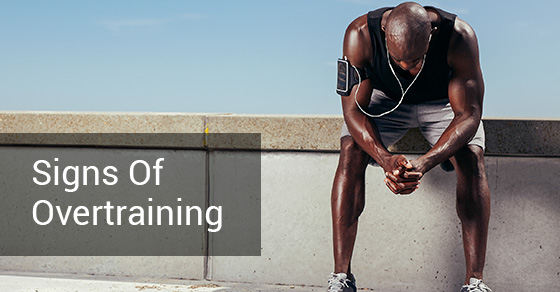
The first symptom of overtraining is that if you suspect that you are overtraining, you probably are. All joking aside, overtraining has very serious long and short-term health implications that you should be aware of.
Decreased performance and stunted progress
Decreased performance levels can be the result of being psychologically and/or physiologically burnt out. If you are feeling burnt out and you are not progressing, take a step back and take a break for a couple of days.
Insomnia & disturbed sleep
The optimal amount of sleep per night, for decent recovery, is 7-8 hours (or more). Overtraining interferes with the body’s circadian rhythms. Symptoms include waking up earlier than normal, trouble in getting to sleep or trouble in staying asleep. Also pay attention to other symptoms including restlessness and inability to focus.
Chronic fatigue
If you are too tired to even raise your heart rate for a proper warm up before your training session. There should be no training session.
It is also a big red flag if you start to notice that you are unable to complete your everyday tasks, like your job, because you are always knackered.
Ongoing muscle soreness
If you experience muscle soreness pretty much all the time, you need to take a break, before you actually break something.
Increased incidence of injury
Musculoskeletal injuries due to overuse are very common in the ‘overtrained’. These injuries include muscle strains, sprains, tears, bursitis and contusions among many others.
Elevated resting heart rate
If you notice your heart rate is steadily increasing over a two or three-week period, it’s quite possible that you are overtraining and not scheduling enough recovery time between sessions.
Depression, Irritability, moodiness and general personality changes
Chronically elevated cortisol levels caused by overtraining not only eat away at your muscles, lead to fat storage and impair brain functioning. They also make you a moody pain in everyone’s arse.
Increased incidence of colds or other illnesses
Your elevated cortisol levels, caused by overtraining, lead to suppressed immune system function. Once again, overtraining leading to bad performance and no reward.
I hope you found this useful. Need more help? Go to your doctor/dietician/physio and take a break.
Find out more on http://www.verticalwise.com/en/overtraining-signs/
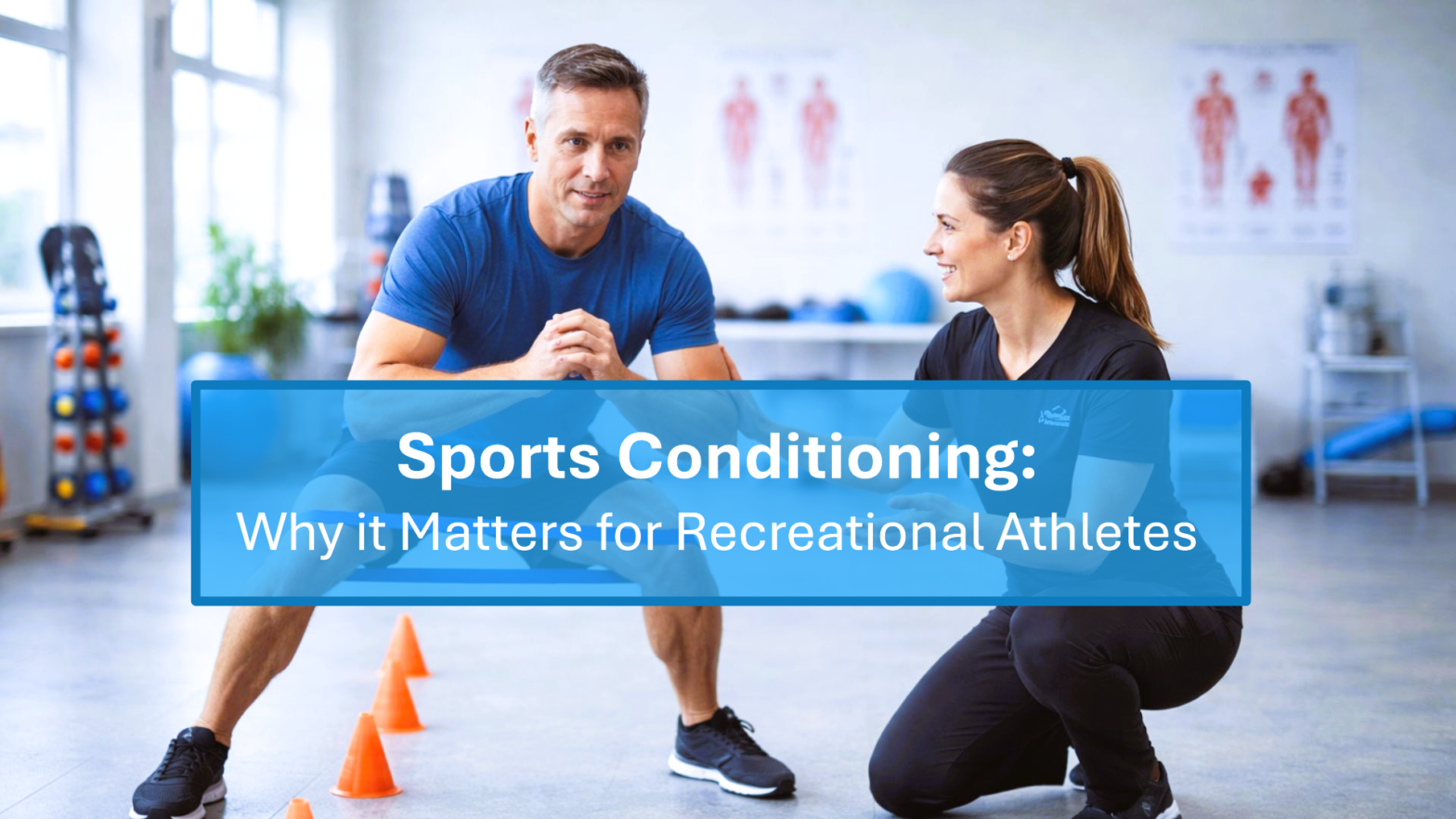
Key Highlights: Sports conditioning helps recreational athletes improve performance and…
Read More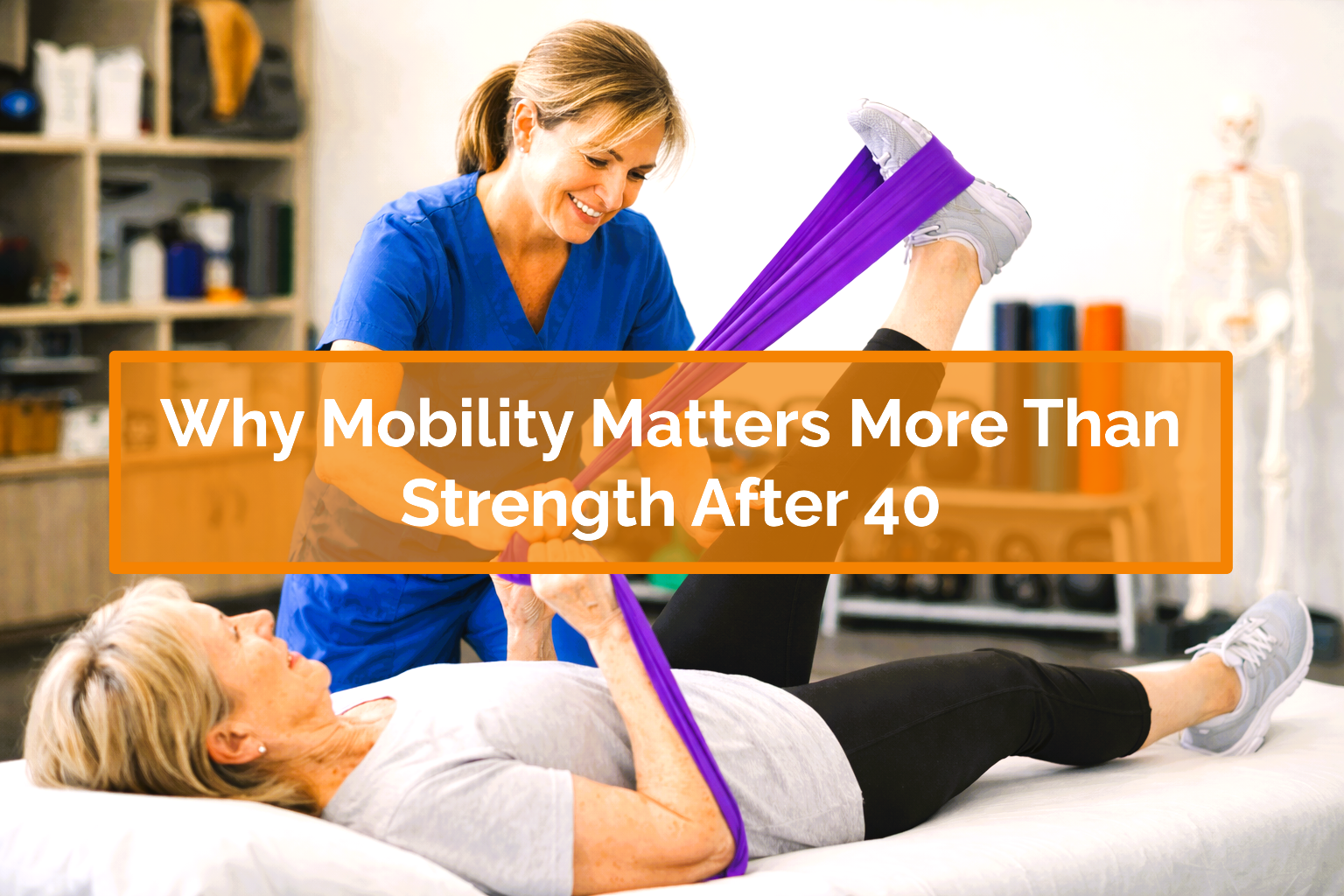
Key Highlights: Mobility lets your joints move freely and safely…
Read More
Key Highlights: When to seek care often depends on persistent…
Read More
Key Highlights: Recurring pain often stems from incomplete recovery, movement…
Read More
Key Highlights: Delayed recovery occurs when an injury appears healed,…
Read More
Key Highlights: Persistent pain is discomfort that lasts for more…
Read More