
Chiropractor or Physiotherapist: Which One Should Yo...
Key Highlights: Chiropractor or physiotherapist - both may be appropriate…
Read More
Posted by Dr. Scott Wilson | 05-Jun-2015
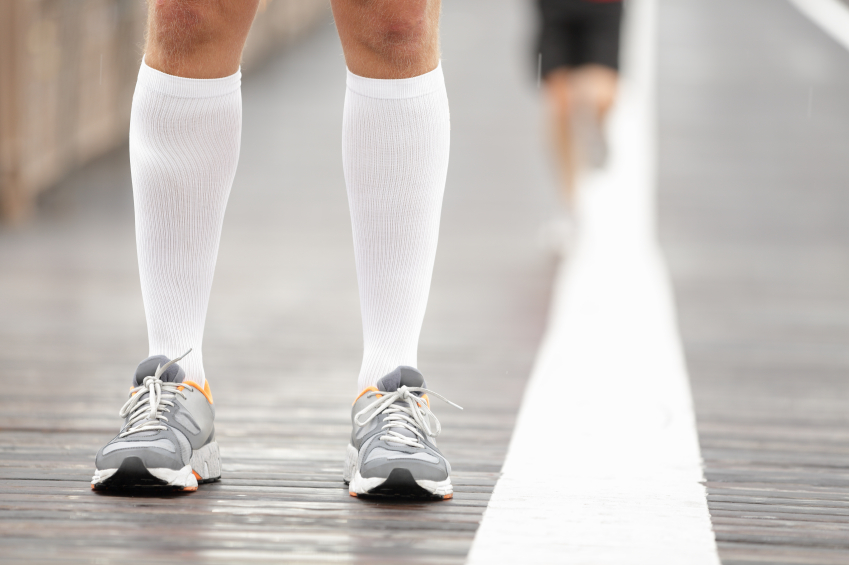
If you’ve been suffering from sore, aching or swollen legs, you may have heard about compression socks/stockings. These are specialized socks/stockings that compress the legs leading to increased blood circulation and oxygen flow. They use stronger elastics, particularly at the ankles, which become gradually less constrictive as they move up towards the knees (and thighs in the case of stockings). By compressing the surface muscles, the socks/stockings force blood through narrower channels which means that more blood returns to the heart and less pools in the feet. This, in turn, decreases lactic acid, prevents cramps, minimizes muscle fatigue, decreases venous pressure and prevents the formation of blood clots in the legs. Compression stockings can protect against further progression of venous disorders and relieve pain and tiredness in your legs. Not sure if they’re right for you? Here a quick summary of situations/conditions where they might be beneficial:
Most health professional recommend wearing compression socks throughout the day and for an extended period of time in order to get the maximum benefit. Of course, you should speak to your health professional for specific guidance based upon your unique situation/condition.
Need more information about compression socks and the risks of poor circulation? Don’t hesitate to give us a call. Remember, at Physiomed…Healthier Starts Here.

Key Highlights: Chiropractor or physiotherapist - both may be appropriate…
Read More
Key Highlights: Pelvic floor physiotherapy can help identify symptoms that…
Read More
Key Highlights: Feeling stiff despite staying active can result from…
Read More
Key Highlights: Golf physiotherapy can help improve swing consistency, mobility,…
Read More
Key Highlights: Physiotherapy can help manage chronic conditions by improving…
Read More
Key Highlights: Sports conditioning helps recreational athletes improve performance and…
Read More