
Managing chronic pain, injury, or everyday wear and tear is not easy. When your body’s not moving well, it can affect how you work, sleep, and enjoy daily life.
At Physiomed, you’ll receive physiotherapy treatment that focuses on improving movement, reducing pain, and helping you return to the activities that matter most. Whether you’re recovering from an injury, managing a chronic condition, or dealing with ongoing pain, stiffness, or mobility issues, your treatment is tailored to your body, your goals, and your stage of recovery.
Our approach combines hands-on care, guided exercise, and long-term health strategies to help you build strength, restore function, and move forward with confidence.

Physiotherapy, also known as physical therapy, is a form of treatment that helps improve how your joints, muscles, and body function without relying on medication or invasive procedures. It’s commonly used to:
Treatment may include:

At Physiomed, physiotherapy is part of an integrated care model that focuses on both recovery and long-term health. Your treatment is designed to address not just symptoms, but also the underlying factors affecting how you move.
Physiotherapy can help support recovery and improve function across a wide range of conditions, including:
Physiotherapy can also help with:
Pelvic floor physiotherapy focuses on strengthening the muscles that support bladder control, core stability, and pelvic health. You may benefit from treatment if you’re experiencing:
Pelvic floor physiotherapy is personalized and designed to improve muscle function, reduce symptoms, and support your confidence in daily life.
Injuries can affect more than performance. They often impact your ability to work, exercise, and stay active. Sports injury physiotherapy focuses on how your body moves and functions, not just where it hurts. Treatment is designed to address:
Your treatment plan may include:
This approach helps reduce pain, restore function, and support a safer return to activity so you can get back to your usual activities with confidence.
Your physiotherapist may also recommend complementary services such as massage therapy or chiropractic care to help support your recovery as part of a coordinated treatment plan.
You don’t need a major injury to benefit from physiotherapy. Even mild or recurring issues can affect how you move and function over time. It may be time to seek treatment if you’re experiencing:
If these symptoms sound familiar, early treatment can help prevent further complications and support a more complete recovery.
Staying active is one of the most important ways to support your overall health, but it can be difficult when you’re dealing with pain or limitations. As you get older, maintaining strength and mobility becomes even more important for preventing injury and staying independent. Generic exercise programs don’t account for your individual needs. Working with a physiotherapist gives you a plan based on your health history, movement patterns, and goals. With this guidance, you can:
Physiotherapy helps you develop the tools you need to stay active safely and consistently.
When you visit a physiotherapy clinic, your care begins with a structured assessment to understand what’s causing your symptoms and identify underlying causes.
This process helps ensure your care is focused, measurable, and aligned with your goals.
Choosing the right physiotherapy clinic means finding care that supports both your recovery and how your body functions long term. At Physiomed, your care is guided by a structured, evidence-based approach:
As your treatment progresses, your plan will be adjusted based on how your body responds. This allows your physiotherapist to focus on what’s improving your movement and to address anything that may be slowing your recovery.
No. Many people begin physiotherapy when something doesn’t feel right, even without a formal diagnosis. Your assessment helps identify the cause and guide your treatment.
Physiotherapy should not be painful, but you may feel some mild discomfort or soreness as your body adjusts to treatment. Your physiotherapist will tailor your care to your comfort level and adjust your plan as you progress.
No. It’s designed for anyone who has experienced an injury related to physical activity, whether you’re a professional, recreational, or occasional athlete.
The number of sessions depends on your condition, your goals, and how your body responds to treatment. Your physiotherapist will guide you through a plan that reflects your progress.
In most cases, you can book directly without a referral. However, some insurance plans may require one.
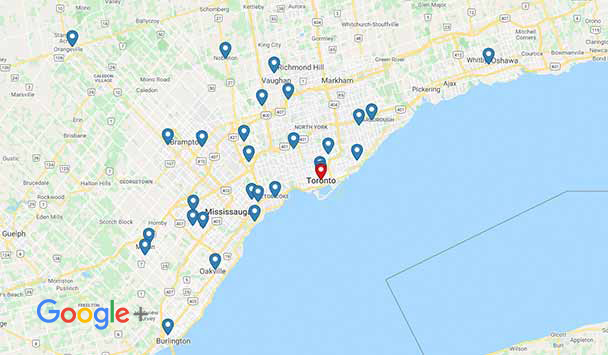
If you’re ready to take the next step, find a Physiomed clinic near you and get started.